I checked on the white wine today, which should be well on the way to clarifying and looking “bright” (according to my instructions). (According to my instructions it should have an airlock too, but I’ve run out.)
Looks possibly like it might be clearing. A bit. Maybe. And a rather green tinge to the naked eye. It needs to be racked off in a week or so (if clear) and I have just one demijohn left.
The wine making all started up again because of two things.
A friend telling us about her bumper grape harvest and “we should make wine from them”
an idle conversation whilst having a delightful autumn berry picking walk with the kids.
Huge bunches of elderberries were hanging from the bushes that day but we were out for sloes and blackberries. The elderberries did look inviting so I went back a couple of days later and collected what I thought was enough for a demijohn of wine. I had no idea what I was doing of course. We also dug out the old home brew kit. The yeast was disgusting looking. I couldn’t imagine that it had survived 15 years in the pot.
I did a lot of looking around for a recipe and in the end came up with my own version based on the Wine Making Guides web site. This is the method I used, but from memory because I was really making it up as I went along.
Ingredients
1.35 kg fresh elderberries, topped up with blackberries because you didn’t pick enough
1.35 ish kg granulated sugar, not measured too carefully
8 pints water
1 teaspoon citric acid you have lying around from the science clubs you ran
1 teaspoon 15 year old manky looking wine yeast
1 teaspoon fluffy looking wine nutrient that also looks past its best
What to Do
Strip the berries from the stalks using your fingers, getting thoroughly messy in the process (I later learned that a FORK is the preferred option for this).
Far too late, don an apron to prevent further damage to clothes and relationship with wife.
Forget to crush the berries.
Put the berries in 4 pints of boiling water, leave to cool. Mash them when you realise that this is probably quite an important step not to leave out.
Dissolve the sugar in 4 more pints of boiling water and strain the berries through a sieve in to the sugar.
Add the citric acid, nutrient and yeast.
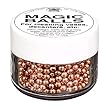
Find a demijohn in the roof of the garage. Gasp at how dirty it has got. Clean it for ages using bottle brush, excellent magic balls and 15 year old sterilising solution. Don’t bother to read the instructions (I think I should have sterilised for longer).
Pour the liquid into a demijohn and seal with an airlock.
Store the wine in a warm place and wait for the fermentation to start. Checking approximately every 15 minutes until your family shout at you.
After four days of checking, feel depressed and decide that the aged yeast was probably bad idea. Cycle to the local home brew shop and back (40km) and return bearing yeast! Put a teaspoon in the jar.
Celebrate wildly when the fermentation appears to start a few hours and post on Facebook.
Bubbles
Sit back contentedly and wait for the fermentation to work itself out.
Panic wildly when the fermentation is so vigorous it bursts out of the airlock and splatters the wall. Put back in to a large saucepan for a couple of days.
When fermentation has slowed to less cataclysmic levels, put back in to a demijohn and allow the fermentation to work itself out.
That’s where I am now – we tasted it and it actually wasn’t too bad, certainly a chance it will be drinkable in a few months/years.
It has been said that I have my crazes. The latest is Home Brew.
In 2000 we were kindly gifted some wine making equipment by an old family friend and made some orange wine. One year later it was filthy and it was worse when we tried it nine years after that. Acidic and awful. It was enough to put us off wine making for ever or so we though. Or at least 15 years.
Fast forward to a lovely autumn walk in 2013 and glistening elderberries dripping from the bushes. A flippant conversation about elderberry wine and a week later the demijohns were being dusted, cleaned and de-spidered and we were off again. Only this time I have gone completely bonkers.
Towards the end of September 2013 I’d been gently encouraged to make wine with a friend’s grapes. I looked in to it and felt it was far too hard what with all the tools and additives you needed. Egged on by some home brew relations I plunged in to making something resembling wine with English grapes. I bought a hydrometer, pectolase, and a fermentation bucket from May and Brett and we filled it with grapes. I washed them and squashed them and ended up with a pitiful 4.5 litres of juice. Squashing them was a trial. I gave them a good fisting in the end.
The recipe said leave it for 24 hours and at the end we had something remarkably like grape juice. I sweetened it up to exactly 1080 using bog standard household sugar but measured it carefully using the instructions on the hydrometer. Once I got the calculation right I was fine!
I whacked in the yeast and waited for action. This was frustrating because whilst it was clearly fermenting there was no bubbler action at all. (I later worked out that the bucket was not sealing at all. There was a blemish in the seal that I scraped off with a knife).
Sweet wine juice
In the end, I took advice from my father-in-law and we decanted it in to a demijohn. It bubbled away until the next stage – which will be clarifying somehow.
I’m still catching up with posts since starting this blog, but I like this rather grainy photo of the white wine and elderberry wine sitting in the cellar. I slightly worry about the air gap above the white wine in particular, but think that it is all carbon dioxide if I have done things right so I should be OK.
 I checked on the white wine today, which should be well on the way to clarifying and looking “bright” (according to my instructions). (According to my instructions it should have an airlock too, but I’ve run out.)
 and 15 year old


